
Varanasi, the world’s oldest living city, beckons with profound spiritual experiences. Foremost among them is the mesmerizing Ganga Aarti at Dashashwamedh Ghat. Planning your first visit? This essential guide answers your crucial questions: What is this sacred ritual, when does it occur, and how can you make your experience truly unforgettable?
This beginner’s guide will walk you through everything you need to know to prepare for—and fully appreciate—your first Ganga Aarti in Varanasi.
What Is the Ganga Aarti?
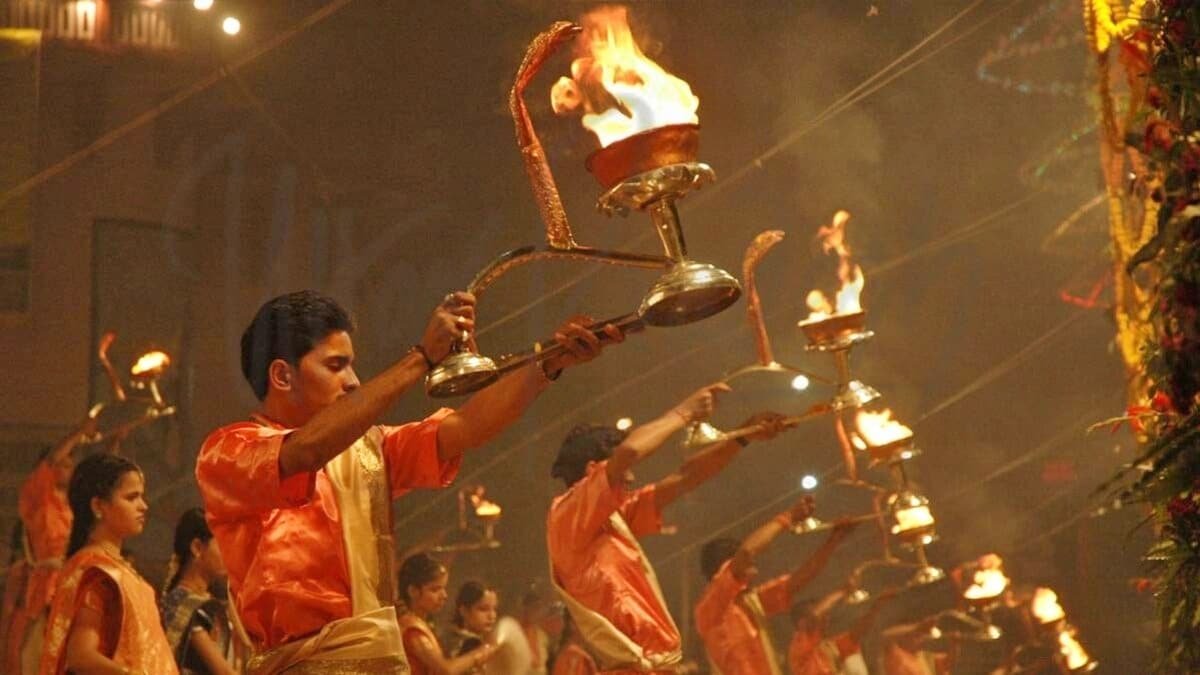
The Ganga Aarti is a daily devotional ceremony honoring Mother Ganges (Ganga Maiya), the sacred river believed to purify souls. Held every evening at Dashashwamedh Ghat, this vibrant Hindu ritual features synchronized chanting, rhythmic bell-ringing, incense, and ornate fire lamps (diyas). Saffron-clad priests lead the ceremony, creating a visually stunning and spiritually uplifting experience that profoundly connects visitors with Kashi’s ancient traditions.
When and Where Does It Take Place?
- Location: Dashashwamedh Ghat, Varanasi (the main and most popular ghat for Ganga Aarti)
- Timing:
- Summer (April–October): Typically begins between 6:30 PM and 7:00 PM
- Winter (November–March): Usually starts between 5:30 PM and 6:00 PM
⏰ Note: The timing changes slightly with sunset, so always confirm local timings upon arrival.
The aarti lasts approximately 45 minutes. Arriving at least 30–45 minutes early is highly recommended, especially during peak tourist seasons or festivals like Dev Deepawali, to secure a good spot.
Best Places to Watch the Ganga Aarti
1. On the Steps of Dashashwamedh Ghat
Free and deeply immersive, watching from the ghat steps places you right in the heart of the ceremony. Expect crowds, especially during peak tourist seasons, but the energy is unparalleled.
2. From a Boat on the Ganges
Enjoy a serene, panoramic view with the calming sounds of the Ganges. Many boatmen offer short rides for a reasonable fee (expect ₹200–₹500 per person, but negotiate). Book in advance or find trusted operators along the ghats.
3. Rooftop Cafés & Restaurants Nearby
Establishments like The Rooftop Café, Ganga View Café, or Brown Bread Bakery provide elevated perspectives with food and drinks. Some may require a minimum spend, offering a comfortable and less crowded experience for your visit.
4. VIP Seats (Paid Viewing Platforms)
For an unobstructed and more tranquil view, consider reserved VIP seating. These platforms (priced around ₹300–₹1000 per person ) are organized by the municipal corporation or private tour operators. They often include cushions and a quieter environment.
What to Wear & Bring
- Dress modestly, respecting local customs. Light cotton clothing (kurtas, sarees, loose shirts, trousers) is ideal; avoid revealing attire.
- Carry comfortable footwear for the uneven stone steps and extensive walking.
- Bring a light shawl or scarf, as evenings by the river can be breezy.
- A small donation is optional for services like photography or boat rides.
- Bring your camera or phone, but be mindful: avoid flash photography during the sacred ritual.
Ganga Aarti Etiquette: Do’s and Don’ts
Approaching this sacred event with respect enhances your experience.
✅ Do:
- Maintain silence throughout the ritual.
- Remove footwear before stepping onto the ghat.
- Accept prasad (blessed offering) with your right hand, if offered.
❌ Don’t:
- Point your feet towards the fire or priests.
- Use loudspeakers or play loud music.
- Litter; help keep the ancient ghats clean.
Remember, this is a deeply religious ceremony, not merely a performance. Approach it with reverence.
What Happens During the Ritual? (Step-by-Step)
Witnessing the Ganga Aarti unfolds in several captivating stages:
- Invocation: Priests commence with ancient Sanskrit chants and auspicious conch shell blows.
- Offerings: They light large brass lamps, gracefully swing fragrant incense, and offer sacred water, fresh flowers, and fire to Mother Ganga.
- Synchronized Movements: Multiple priests perform coordinated, graceful gestures, moving in harmony with the mantras and ringing bells.
- Climax: The grand lamps are raised high, creating a breathtaking visual spectacle, often accompanied by fervent devotional songs.
- Conclusion: The aarti culminates with a collective “Har Har Gange!” and the release of countless floating diyas, lighting up the river.
Tips for a Meaningful Experience
Elevate your Ganga Aarti experience with these insights:
- Visit during a full moon or Dev Deepawali (usually Novembe). The ghats, adorned with thousands of lamps, create an absolutely magical atmosphere.
- Hire a local guide through your hotel or a trusted agency like Kashi Wonders for deeper cultural and historical context.
- Combine with an evening boat ride to view the illuminated ghats. It’s a perfect, serene conclusion to your day.
- Stay nearby in a heritage guesthouse or boutique hotel overlooking the river. This allows for an easy, short walk to Dashashwamedh Ghat.
Final Thoughts
Your visit to Varanasi isn’t complete without experiencing the Ganga Aarti. It’s more than a ceremony; it’s a soul-stirring immersion into India’s spiritual heart. Whether you choose the bustling ghats, a peaceful boat, or a tranquil rooftop, approach with an open heart. You will leave feeling profoundly transformed by this ancient ritual.
“To witness the Ganga Aarti is to touch eternity.” — Unknown
Ready to plan your unforgettable spiritual journey to Varanasi, Ayodhya, or Prayagraj? Contact Kashi Wonders today for personalized itineraries, expert guided tours, and hassle-free travel arrangements.
Leave a Reply