

When you walk through the labyrinthine lanes of Varanasi, your senses are embraced by the scent of marigolds, the echo of temple bells, and the soft rustle of silk. But beyond its spiritual aura, Kashi is also a treasure trove of sacred, handcrafted items that carry blessings, heritage, and timeless artistry.
Among these, three stand out as quintessential souvenirs for pilgrims, spiritual seekers, and conscious travelers: Banarasi Silk, Rudraksha beads, and Ram Naam shawls.
This guide from Kashi Wonders—your trusted curator of immersive, soulful journeys—helps you understand what makes these items truly special, where to find the most authentic versions, and how to shop with wisdom and respect.
1. Banarasi Silk: Weaving Divine Elegance
What Is Banarasi Silk?
Banarasi silk sarees and fabrics are among India’s most luxurious textiles, handwoven in Varanasi for over 2,000 years. Traditionally crafted with pure silk (katan) and zari (fine gold or silver threads), each piece can take weeks—or even months—to complete.

Why It’s Sacred
- Historically worn by royalty and temple deities.
- Often gifted during weddings and major religious ceremonies.
- The intricate motifs—kalga, bel, jhallar, and floral jaals—symbolize auspiciousness and divine abundance.
What to Look For
- Authentic zari: Should feel slightly heavy and lustrous, not plastic-like.
- Handloom mark: Look for the government-certified “India Handloom” tag.
- Weaver’s signature: Many master weavers sign their work discreetly in the pallu.
Best Places to Shop
- Thatheri Bazaar (near Vishwanath Gali): Home to generations-old weaver families.
- Lanka & Chowk: Offers both traditional and contemporary Banarasi designs.
- Vishwanath Special Handloom Emporium: Government-approved for authenticity.
💡 Pro Tip from Kashi Wonders: Ask to see the reverse side of the fabric. True handloom Banarasi will have a mirror-image pattern on the back—not a printed or machine-finished look.
2. Rudraksha: The Tears of Lord Shiva
The Spiritual Significance
Rudraksha beads—literally “Rudra’s eyes”—are believed to be the crystallized tears of Lord Shiva. Worn as malas (prayer beads) or pendants, they are said to:
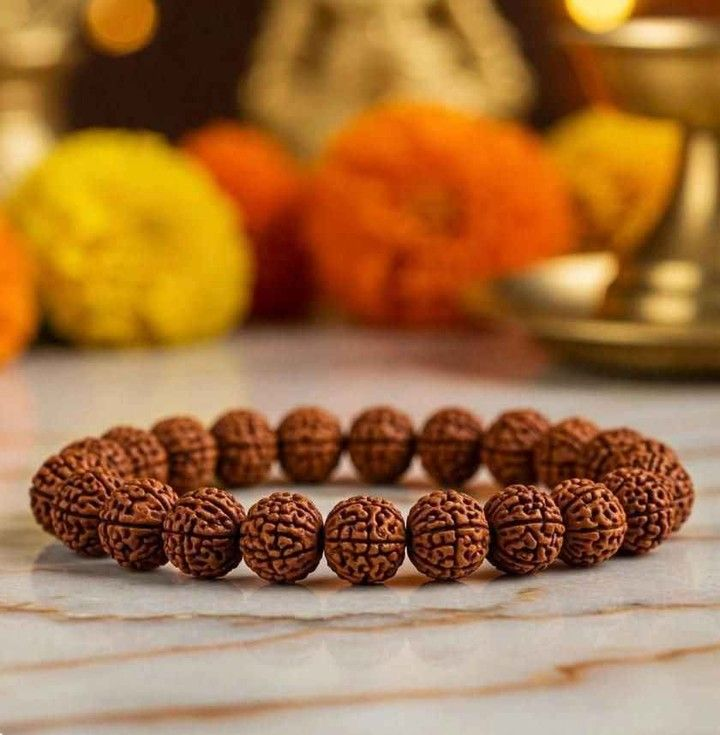
- Calm the mind and enhance meditation
- Balance the body’s energy centers (chakras)
- Offer divine protection to the wearer
Understanding the Mukhi (Faces)
Rudraksha beads are categorized by the number of natural clefts or “faces” (mukhis), each linked to a specific deity or cosmic energy:
- 1 Mukhi: Extremely rare; associated with Shiva and supreme consciousness.
- 5 Mukhi: Most common; represents the five elements and brings peace.
- 9 Mukhi: Linked to Goddess Durga; bestows courage.
- 11 Mukhi: For focus and spiritual awakening.
How to Choose an Authentic Rudraksha
- Natural texture: Should have deep, organic grooves—not smooth or polished excessively.
- Water test: Genuine beads sink in water (though this isn’t foolproof—always buy from trusted sellers).
- Certification: Reputable shops provide lab-tested authenticity certificates.
Trusted Sources in Varanasi
- Rudraksha Ratna Science Park (near Banaras Hindu University): Offers scientifically verified beads.
- Pandits near Kashi Vishwanath Temple: Many sell consecrated beads with personalized mantras.
- Durga Kund Market: Look for family-run bead shops with decades of lineage.
🙏 Note: Once you acquire a Rudraksha, it’s customary to purify it with Ganga jal and energize it with mantra recitation.
3. Ram Naam Shawls: Wrapped in Devotion
What Makes Them Sacred?
Ram Naam shawls—soft cotton or wool wraps inscribed with “श्री राम जय राम जय जय राम” in Devanagari script—are more than garments. They are wearable prayers.
- Often used during Ramayan path, bhajans, or early morning sadhana.
- Believed to create a protective spiritual field around the wearer.
- Commonly gifted to elders or used as aasan (meditation seat covers).
Craft & Quality
- Traditionally hand-block printed or embroidered in Varanasi and Ayodhya.
- Natural dyes and organic cotton are preferred for spiritual purity.
- The script should be clear, centered, and respectful—not decorative or stylized.
Where to Buy
- Godowlia Market: Look for shops specializing in religious textiles.
- Near Sankat Mochan Hanuman Temple: Many stalls sell shawls blessed during evening aartis.
- Ayodhya Connection: Since you’re curating journeys to Ayodhya too, consider pairing Varanasi visits with authentic Ram Naam textiles from Ramkot or Hanuman Garhi markets.
🌿 Sustainable Tip: Choose shawls made by women’s self-help groups or khadi cooperatives—you support both tradition and ethical livelihoods.
Shop Mindfully, Carry Blessings Home
Sacred shopping in Varanasi isn’t about bargaining—it’s about intention. Each Banarasi weave, Rudraksha bead, and Ram Naam shawl carries the energy of Kashi’s centuries-old devotion.
When you choose with awareness, you don’t just buy an item—you take home a vessel of grace.
At Kashi Wonders, we believe travel transforms when you connect deeply—with places, people, and purpose. That’s why we design journeys that include meaningful encounters with artisans, priests, and local custodians of culture.
Stay inspired. Travel deeper. Return transformed.
Plan your sacred journey with Kashi Wonders
🌐 www.kashiwonders.com
📱 WhatsApp: +91 8858011233
🔔 Follow us on Facebook, Instagram, WhatsApp Channel, X (Twitter), and LinkedIn for more travel insights, cultural guides, and spiritual itineraries.
© 2026 Kashi Wonders | Crafting transformative journeys through Varanasi, Ayodhya & Prayagraj.
Leave a Reply