
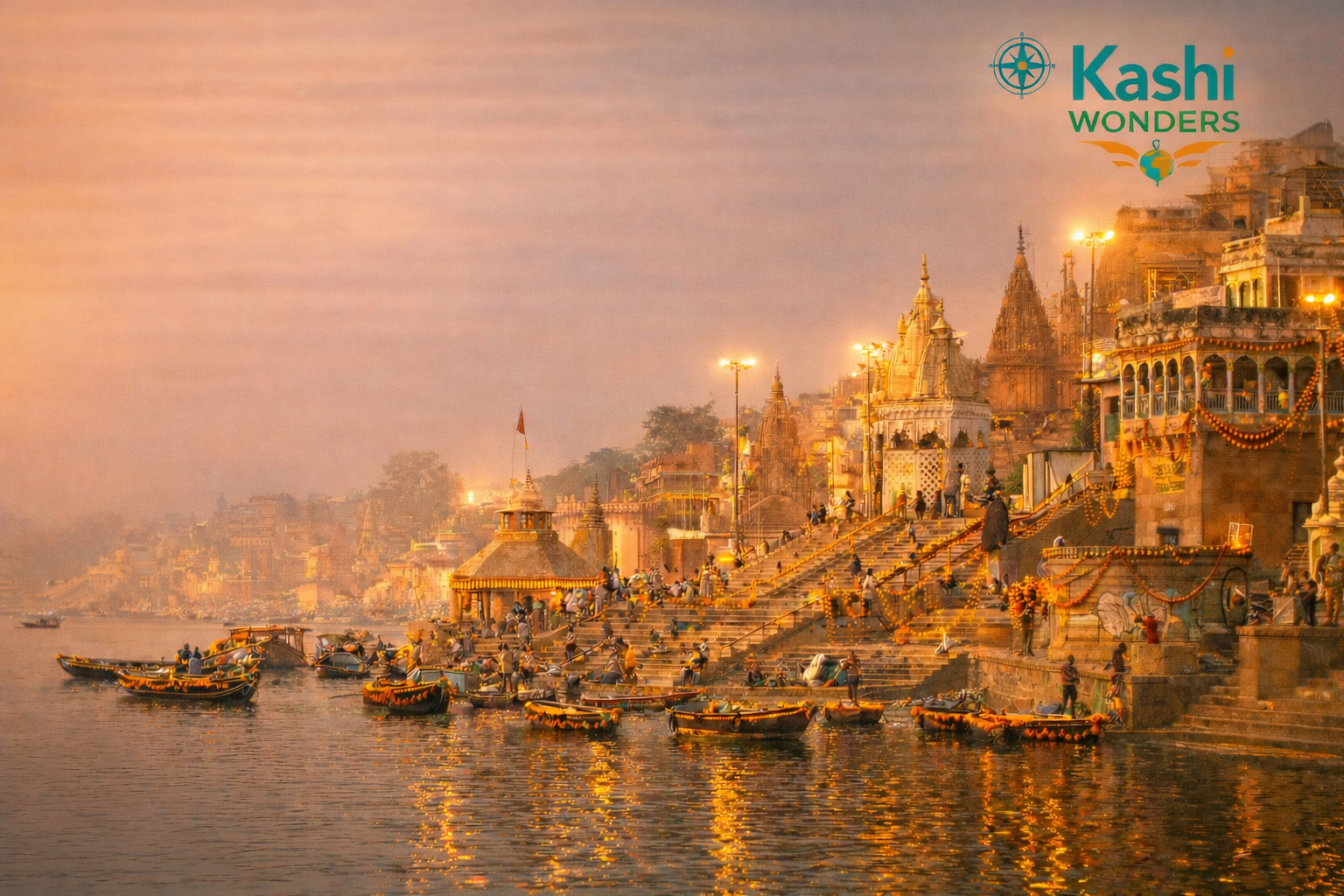
There is a moment each day when Varanasi holds its breath.
The sun, heavy with the weight of the day, dips toward the western horizon. Its light softens—no longer harsh and clinical, but warm, honeyed, forgiving. Shadows stretch like prayers along the stone steps of the ghats. The Ganges, usually a ribbon of practical grey, ignites into liquid gold. And for precisely 20–30 minutes, the ancient city reveals its soul not through spectacle, but through light.
This is golden hour. And in Varanasi—where every ripple carries a prayer and every face tells a story—it isn’t just a photographic opportunity. It’s a spiritual alignment.
🌅 Why Golden Hour Transforms the Sacred Landscape
Golden hour (the period shortly after sunrise and before sunset) does more than flatter a scene. In Varanasi, it sanctifies it. Here’s why timing matters profoundly:
| Time of Day | Light Quality | Spiritual Atmosphere | Photography Potential |
|---|---|---|---|
| Midday (10 AM–3 PM) | Harsh, flat, high-contrast | Functional—rituals continue but energy is subdued | Challenging: blown highlights, deep shadows, unflattering on skin |
| Blue Hour (Pre-sunrise/Post-sunset) | Cool, ethereal, diffused | Meditative—fewer crowds, introspective mood | Moody silhouettes, misty river scenes, temple outlines |
| Golden Hour (Sunrise/Sunset) | Warm, directional, soft | Peak devotion—Aarti preparations, pilgrim gatherings, emotional intensity | Ideal: glowing skin tones, textured water, layered depth, emotional resonance |
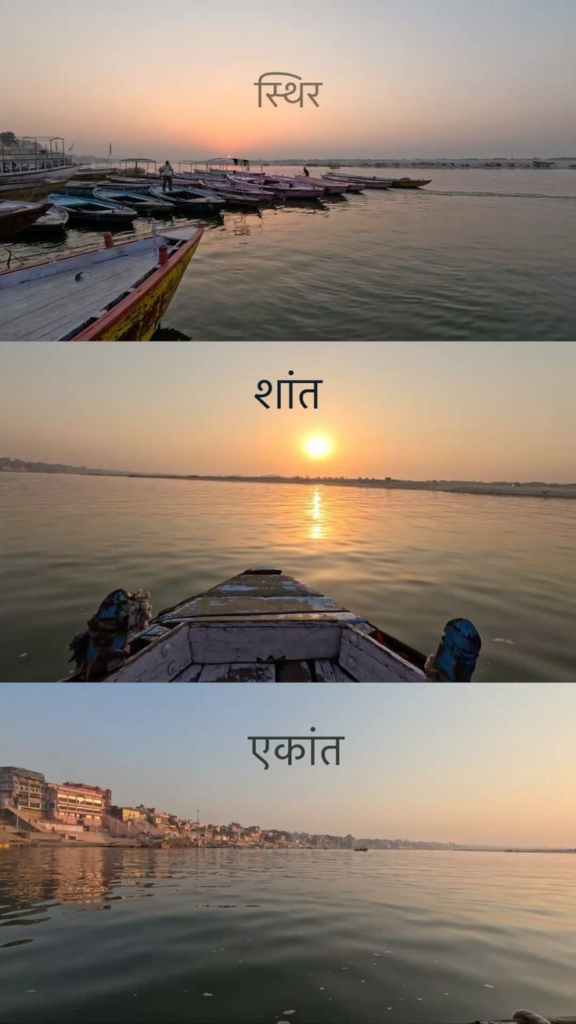
At dawn, the Subah-e-Banaras (Morning of Varanasi) unfolds with quiet reverence: yogis in meditation, priests lighting diyas, pilgrims taking their first holy dip. At dusk, the Ganga Aarti at Dashashwamedh Ghat draws thousands into a vortex of fire, chant, and collective devotion. Both moments pulse with raw humanity—and both are magnified tenfold by golden light.
📸 Capturing the Moment—Without Breaking the Spell
Photographing pilgrimage requires more than technical skill. It demands sadhana—discipline of the heart. Here’s how to honor both your craft and the sacred space:
✅ Do’s: The Mindful Photographer’s Code
- Arrive early—Settle 45 minutes before golden hour. Let the scene breathe around you before raising your camera.
- Shoot from the periphery—Capture wide scenes first. Move closer only when invited by a gesture or glance.
- Use natural framing—Arches of Manikarnika Ghat, silhouetted boats, hanging marigold garlands—let architecture compose for you.
- Prioritize consent—A smile, a folded namaste, a pause before clicking. Most pilgrims will welcome your lens if respect comes first.
- Embrace imperfection—A slightly blurred hand pouring water, smoke obscuring a face—these aren’t flaws. They’re bhava (emotion).
❌ Don’ts: Preserving Sanctity
- Never photograph cremation rituals at Manikarnika or Harishchandra Ghats without explicit permission from families and priests.
- Avoid tripods during Aarti—they obstruct movement and break the flow of devotion.
- Don’t chase “the perfect shot” at the cost of someone’s prayer. Some moments are meant to be lived, not captured.
“The camera is an instrument that teaches people how to see without a camera.”
— Dorothea Lange
🌇 Best Ghats for Golden Hour Photography
| Ghat | Best Time | Signature Shot |
|---|---|---|
| Dashashwamedh | Sunset | Aarti flames reflecting on water; silhouetted priests against fiery sky |
| Assi | Sunrise | Quiet solitude—yogis silhouetted against rising sun; mist rising from river |
| Manikarnika | Sunrise | Spiritual intensity—smoke from pyres backlit by dawn; profound contrast of life/death |
| Panchganga | Sunset | Five rivers mythos—long shadows across ancient steps; contemplative solitude |
| Tulsi | Sunrise | Literary serenity—views toward Ramnagar Fort; soft light on stone carvings |
Pro Tip: Walk upstream during sunset. The light will fall across the ghats from your left, illuminating faces and water simultaneously—a gift no filter can replicate.
📱 Smartphone or DSLR? Making the Most of Your Gear
You don’t need professional equipment—but you do need intention.
- Smartphone users: Tap to set exposure on the brightest part of the water. Use HDR mode sparingly (it can flatten emotion). Shoot in RAW if your phone allows.
- DSLR/Mirrorless: Shoot at f/2.8–f/5.6 for soft backgrounds. ISO 400–800 balances noise and sensitivity. A 35mm or 50mm prime lens mimics the human eye—ideal for intimate moments.
- Both: Turn off flash. Always. The Ganges needs no artificial light.
🌙 Beyond the Shot: When to Put the Camera Down
The most transformative images from Varanasi aren’t always the ones you save to a memory card. Sometimes, the holiest
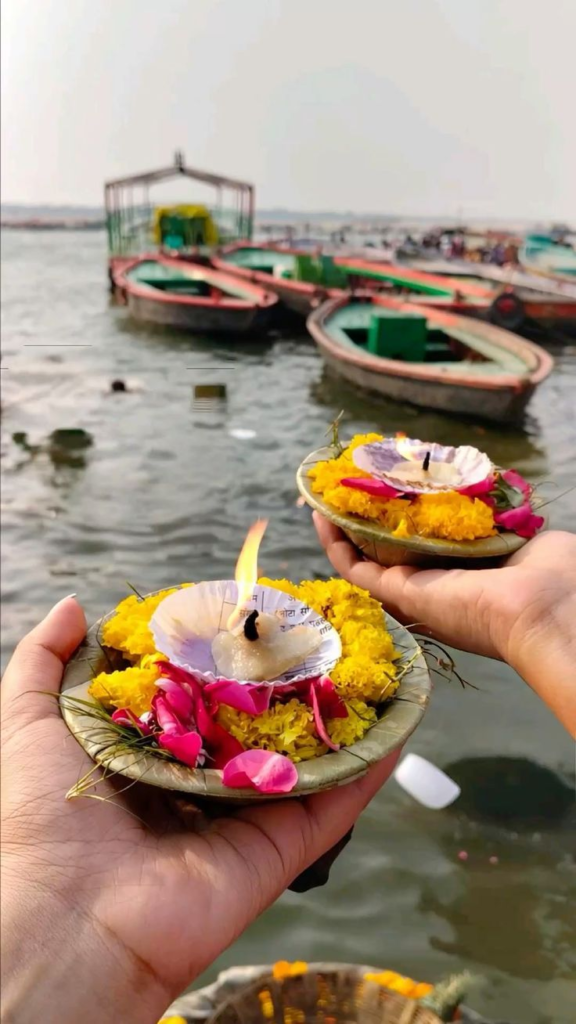
frame is the one you absorb with your own eyes:
- The old woman’s hands, trembling as she releases a diya into the current
- The sudden silence as the last bell of Aarti fades into river mist
- Your own reflection—fleeting, golden—on the water’s surface
These moments develop not in pixels, but in the heart. And they become the true souvenirs of pilgrimage.
✨ Travel Deeper with Kashi Wonders
At Kashi Wonders, we believe photography should deepen—not distract from—your spiritual journey. That’s why our immersive Varanasi experiences include:
- Golden Hour Photography Walks: Guided by local storytellers who know when and where light meets devotion
- Respectful Cultural Protocols: Learn the unspoken rhythms of the ghats before you raise your lens
- Personalized Itineraries: From pre-dawn boat rides to sunset Aarti vantage points—timed for both meaning and magic
We don’t just show you Varanasi. We help you feel it—and, when the moment is right, capture it with grace.
Stay inspired. Travel deeper. Return transformed.
🌐 Kashiwonders.com
📱 WhatsApp: +91 8858011233
🔔 Follow us on Facebook, Instagram, WhatsApp Channel, X (Twitter), and LinkedIn for more travel insights, cultural guides, and spiritual itineraries
Leave a Reply