
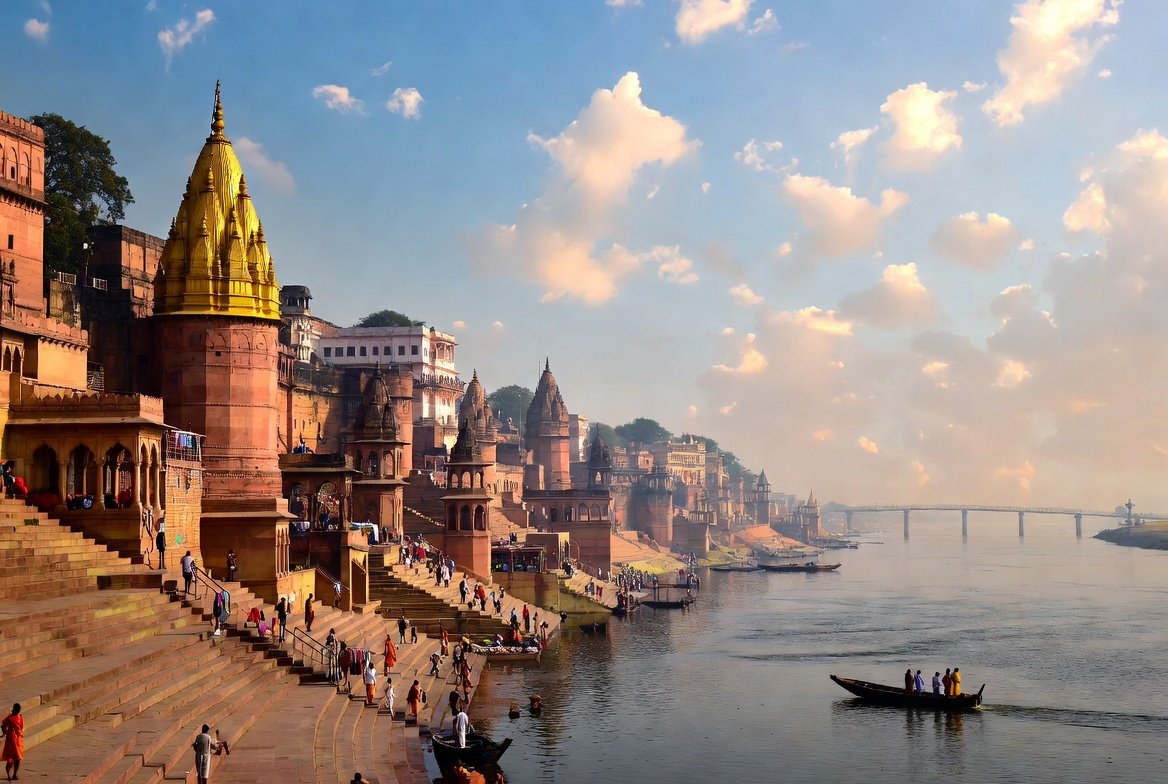
Varanasi, or Kashi, is a city where time seems to stand still, pulsating with spiritual energy, ancient rituals, and profound cultural heritage. For pilgrims and travellers alike, immersing oneself in this sacred city is a journey of a lifetime. While English is spoken in tourist-heavy areas, connecting with the heart of Kashi often means engaging with its people in their own language. This guide, brought to you by Kashi Wonders, introduces 10 essential Hindi phrases to enrich your spiritual sojourn.
Learning even a few local words can transform your experience, fostering deeper connections with shopkeepers, boatmen, pundits, and fellow pilgrims. It demonstrates respect for the local culture and opens doors to more authentic interactions, making your pilgrimage to Varanasi truly memorable and meaningful.
The Significance of Local Language in Varanasi
Varanasi’s essence lies not just in its ancient temples and ghats, but also in the vibrant daily life of its residents. From the morning Aarti by the Ganga to the bustling lanes of the old city, every interaction offers a glimpse into Kashi’s soul. Speaking a few Hindi phrases acts as a bridge, allowing you to move beyond being a mere spectator and become a participant in the city’s living traditions.
It enables smoother navigation, helps in understanding local customs, and allows for polite exchanges that are deeply appreciated. For a pilgrim, this linguistic effort can enhance the spiritual resonance of their journey, fostering a sense of belonging and community in the Divine City.
Kashi Wonders’ Essential Hindi Phrases for Pilgrims
Here are 10 practical Hindi phrases tailored for your pilgrimage, complete with their pronunciation guides and contextual usage in Varanasi:
1. Namaste (नमस्ते) – Hello / Greetings
Pronunciation: Nah-mah-stay
Usage: This is the universal Indian greeting, expressing respect. Use it when you meet anyone – from your hotel staff to shopkeepers, pundits, or fellow travellers. Accompanying it with a slight bow and palms pressed together (Anjali Mudra) enhances the gesture.
2. Dhanyawad (धन्यवाद) – Thank You
Pronunciation: Dhun-ya-vaad
Usage: Expressing gratitude is always polite and well-received. Whether someone helps you with directions, serves you food, or offers assistance, a simple ‘Dhanyawad’ goes a long way in showing your appreciation. You can also add ‘Ji’ (Dhanyawad Ji) for added respect.
3. Kripya, yeh mandir kahan hai? (कृपया, यह मंदिर कहाँ है?) – Excuse me, where is this temple?
Pronunciation: Krip-ya, yeh mun-dir kah-haan hai?
Usage: Varanasi is dotted with countless temples. This phrase is invaluable for navigating the labyrinthine alleys and finding specific shrines. Start with ‘Kripya’ (please/excuse me) for politeness, then name the temple if known, or simply point to one if asking generally.
4. Iska daam kitna hai? (इसका दाम कितना है?) – What is its price?
Pronunciation: Iss-ka daam kit-naa hai?
Usage: Essential for shopping at local markets, buying souvenirs, or even negotiating auto-rickshaw fares. Point to the item you are interested in and ask this question. Be prepared for a friendly negotiation if you are in a street market.
5. Mujhe Ganga snan karna hai. (मुझे गंगा स्नान करना है।) – I want to take a Ganga bath.
Pronunciation: Moo-jhay Gun-ga snun kar-naa hai.
Usage: A holy dip in the Ganges is a core ritual for many pilgrims. Use this phrase when speaking to a boatman (malli) to arrange a boat ride to a suitable bathing ghat or to ask for directions to a safe spot for ‘snan’ (bath).
6. Pujari ji, prasad milega? (पुजारी जी, प्रसाद मिलेगा?) – Respected priest, can I get prasad?
Pronunciation: Poo-jaa-ree jee, pra-saad mil-lay-ga?
Usage: After offering prayers at a temple, devotees often receive ‘prasad’ (consecrated food offering). Address the priest respectfully as ‘Pujari Ji’ and inquire about receiving prasad. This phrase helps you partake fully in the temple rituals.
7. Kya aap meri madad kar sakte hain? (क्या आप मेरी मदद कर सकते हैं?) – Can you help me?
Pronunciation: Kya aap may-ree muh-dud kar suk-tay hain?
Usage: A crucial phrase for any situation where you need assistance, be it finding your way, understanding a local custom, or facing a minor challenge. People in Varanasi are generally helpful, and this phrase will open avenues for support.
8. Thoda sa? / Aur nahin. (थोड़ा सा? / और नहीं।) – A little bit? / No more.
Pronunciation: Tho-da saa? / Aur na-heen.
Usage: Useful when ordering food, buying spices, or indicating quantities. ‘Thoda sa?’ can be used to ask for a small portion or to confirm if you want ‘a little more’. ‘Aur nahin’ politely declines further servings or additions.
9. Achha hai! (अच्छा है!) – It is good!
Pronunciation: Uh-chhaa hai!
Usage: A simple yet effective phrase to express approval or satisfaction. Whether you appreciate the taste of local food, the quality of an item, or a service received, ‘Achha hai!’ conveys positive feedback and friendliness.
10. Phir milenge (फिर मिलेंगे) – See you again.
Pronunciation: Fir mil-len-gay
Usage: A warm and friendly way to bid farewell, indicating an intention or hope to meet again. It’s more personal than a simple ‘Alvida’ (goodbye) and leaves a positive impression, especially with those you’ve interacted with extensively.
Tips for Using Hindi Phrases in Varanasi
- Don’t Be Shy: Locals genuinely appreciate the effort you make to speak their language, even if you make mistakes.
- Use ‘Ji’ for Respect: Adding ‘Ji’ after a name (e.g., Ram Ji) or after words like ‘Dhanyawad’ (Dhanyawad Ji) conveys respect and politeness.
- Listen Carefully: Pay attention to the responses you receive. Even if you don’t understand everything, you might pick up key words or gestures.
- Body Language: A smile, a nod, or a hand gesture can often bridge communication gaps when words fail.
- Practice: The more you try, the more confident you’ll become. Start with simple greetings and expand your vocabulary gradually.
Frequently Asked Questions About Speaking Hindi in Varanasi
In major tourist areas, hotels, and established shops, you will find English speakers. However, venturing into local markets or smaller lanes often requires a basic understanding of Hindi for smoother communication.
Absolutely! Locals are generally very understanding and encouraging. Your effort to speak their language will be seen as a sign of respect and genuine interest, regardless of grammatical perfection.
These 10 phrases are quite simple and can be learned quickly with a little practice. Focus on pronunciation and context, and you’ll be using them confidently in no time.
While standard Hindi is widely understood, Varanasi also has its own regional variations and a local dialect known as Bhojpuri. However, learning the standard Hindi phrases provided here will serve you well across the city.
Conclusion
Your pilgrimage to Varanasi is an opportunity to connect with one of the world’s oldest living cities on a profound level. By learning these 10 essential Hindi phrases from Kashi Wonders’ Local Lingo Guide, you not only enhance your ability to navigate and transact but also open your heart to the spiritual and cultural richness that defines Kashi. Embrace the local language, engage with the warm-hearted people, and allow these simple words to deepen your experience of the Divine City. We wish you a blessed and enriching journey to the sacred land of Kashi!
Leave a Reply